
Vision · Quality
Modernising a sorting and quality-control station
Illustrative project for an SME seeking to replace manual visual inspection with a more repeatable and traceable sorting station.
Illustrative use case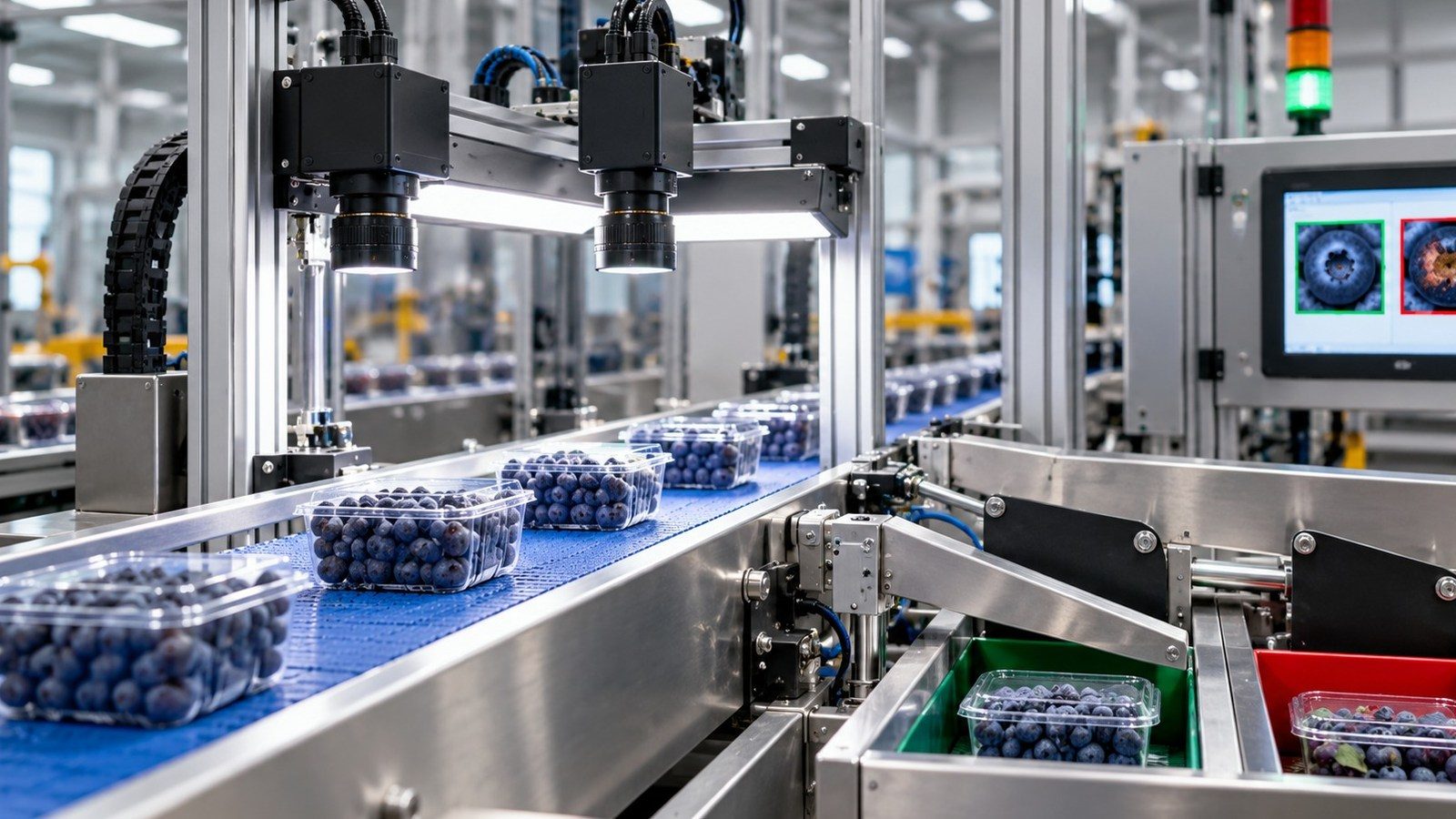
01
Starting point
Inspection relies on operator attention. Criteria are known, but their application varies with speed, fatigue and defect type.
02
What needs to improve
- Inspection variability
- Cost of a dedicated manual inspection station
- Limited traceability of rejection causes
- Need to increase throughput without reducing quality
03
A solution to validate with the site
- Study product presentation and lighting
- Industrial vision against criteria defined with the client
- Conveying / guidance for stable inspection
- Automatic rejection and defect counting
- Operator interface for recipes and statistics
Illustrative use case — architecture and results must be confirmed using real site data and representative products.
Technical scoping sheet
What must be confirmed before designing the solution.
These points are intentionally practical: they prepare a site visit, trial or pre-study.
01Trigger+
Manual visual inspection that varies by operator or shift.
02Architecture to validate+
Camera + lighting + trigger + reject logic + PLC interface.
03Data to collect+
- Good / bad samples
- Throughput and camera-product distance
- Priority defects and minimum defect size
04Acceptance criteria+
- Defined defects detected
- False rejects / false accepts measured
- Processing time compatible with throughput
05Watch points+
- Product variability
- Ambient light
- Insufficient samples
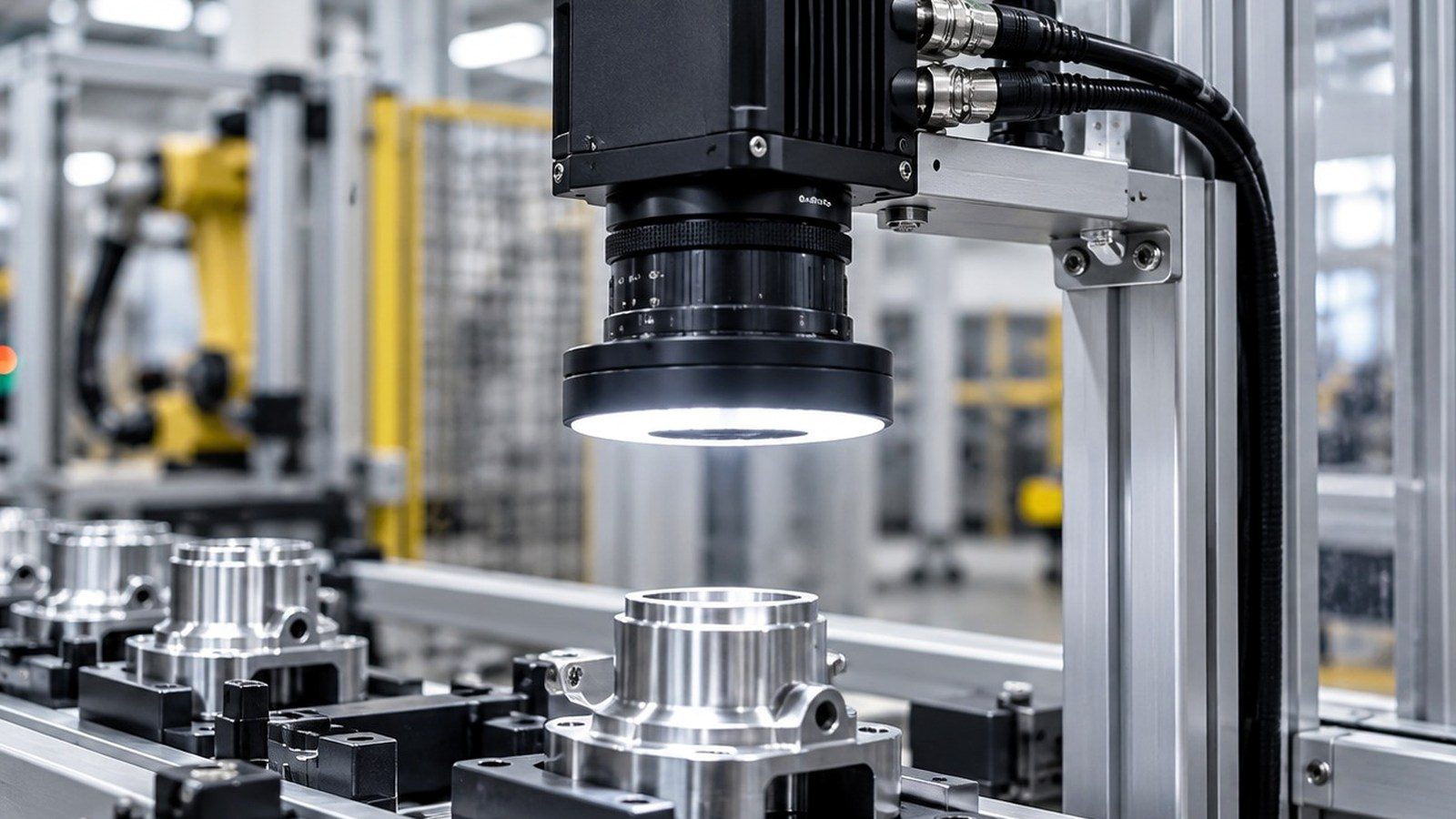
Key point
Run simple tests before freezing the architecture.
- Use representative good and bad samples
- Check lighting and speed sensitivity
- Define reject and traceability logic
Pre-qualification