Retrofit before replacement
When the mechanical base remains relevant, targeted modernisation reduces CAPEX, lead time and downtime.
Industrial automation · Hauts-de-France
SYNTAVER supports SMEs, mid-caps and industrial sites that need to modernise equipment, secure operations and improve performance without over-engineering the solution. We combine local project leadership in France with pragmatic engineering and a Europe–Asia technical supply chain.
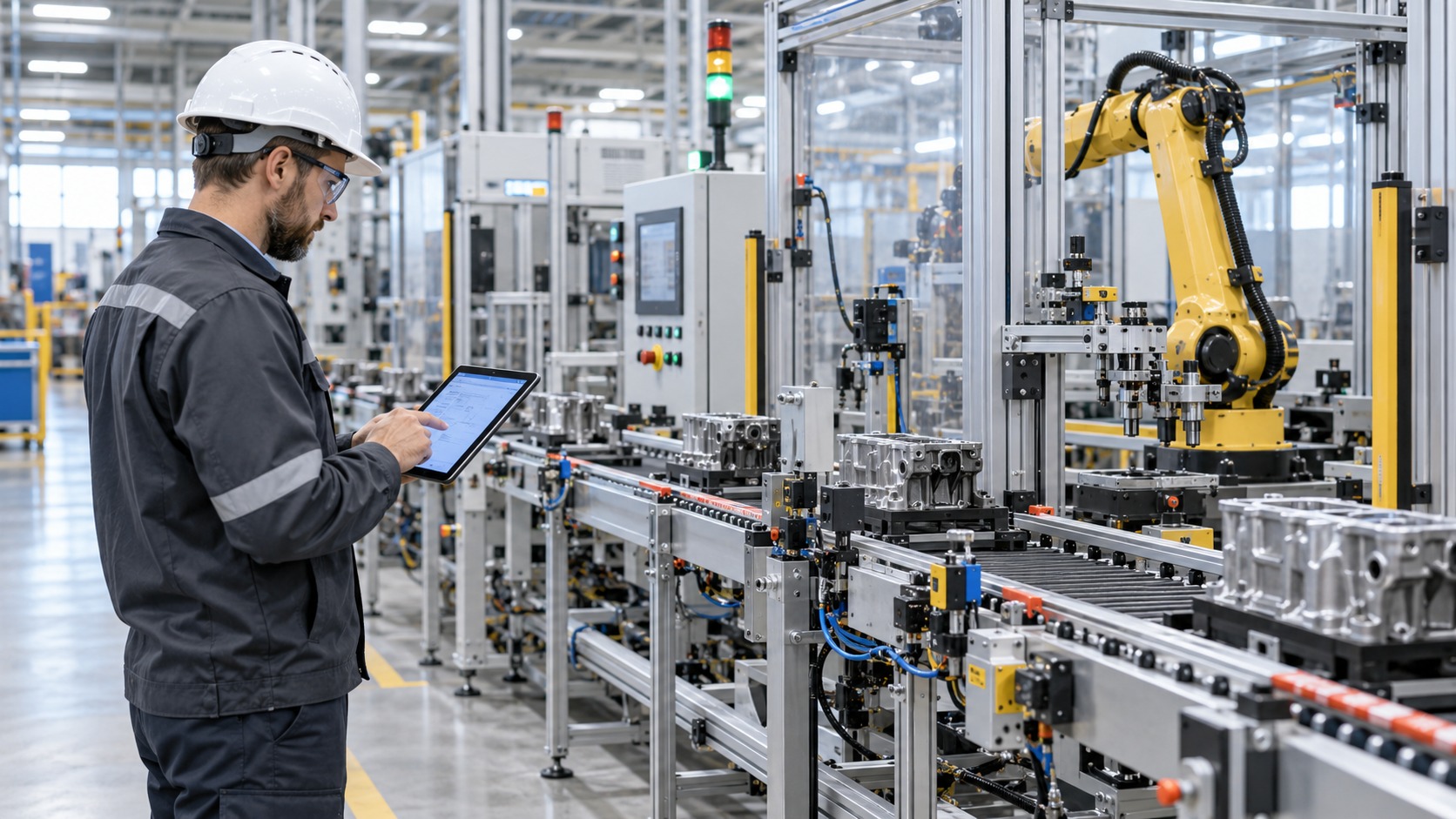
Why SYNTAVER
Our logic is straightforward: start from the measurable problem, select the right technical building blocks, limit unnecessary interfaces and secure execution. This approach often reduces total project cost compared with full replacement or solutions that are too complex for the actual need.
When the mechanical base remains relevant, targeted modernisation reduces CAPEX, lead time and downtime.
Vision, conveying, safety, electrical architecture and software interfaces combined according to the site context.
Access to a broad pool of components, integrators, OEMs and technical subassemblies selected on compliance and total cost.
Clear scoping, simple communication and progressive ramp-up for companies without a large in-house project team.
What the client gets
Beyond a machine or a presentation, we focus on what the company actually gains: more clarity, fewer interfaces, better-controlled total cost and a project trajectory that fits its size.
Reusable blocks that avoid starting from zero every time, accelerate studies and prepare future extensions.
The right level of automation, the right scope and the right sourcing — not an oversized solution simply because it is easier to sell.
Broad access to Europe–Asia suppliers and OEMs qualified on compliance, quality, availability, support and total cost.
France-based follow-up for site visits, functional scoping, project coordination, commissioning and customer relationship.
Pre-scoping of CAPEX, stages and ROI, with better material to support internal decisions, financing discussions or supplier-credit logic when relevant.
4 priority scenarios
Each scenario combines an operational trigger, technical building blocks and benefits directly perceived by operations and management.
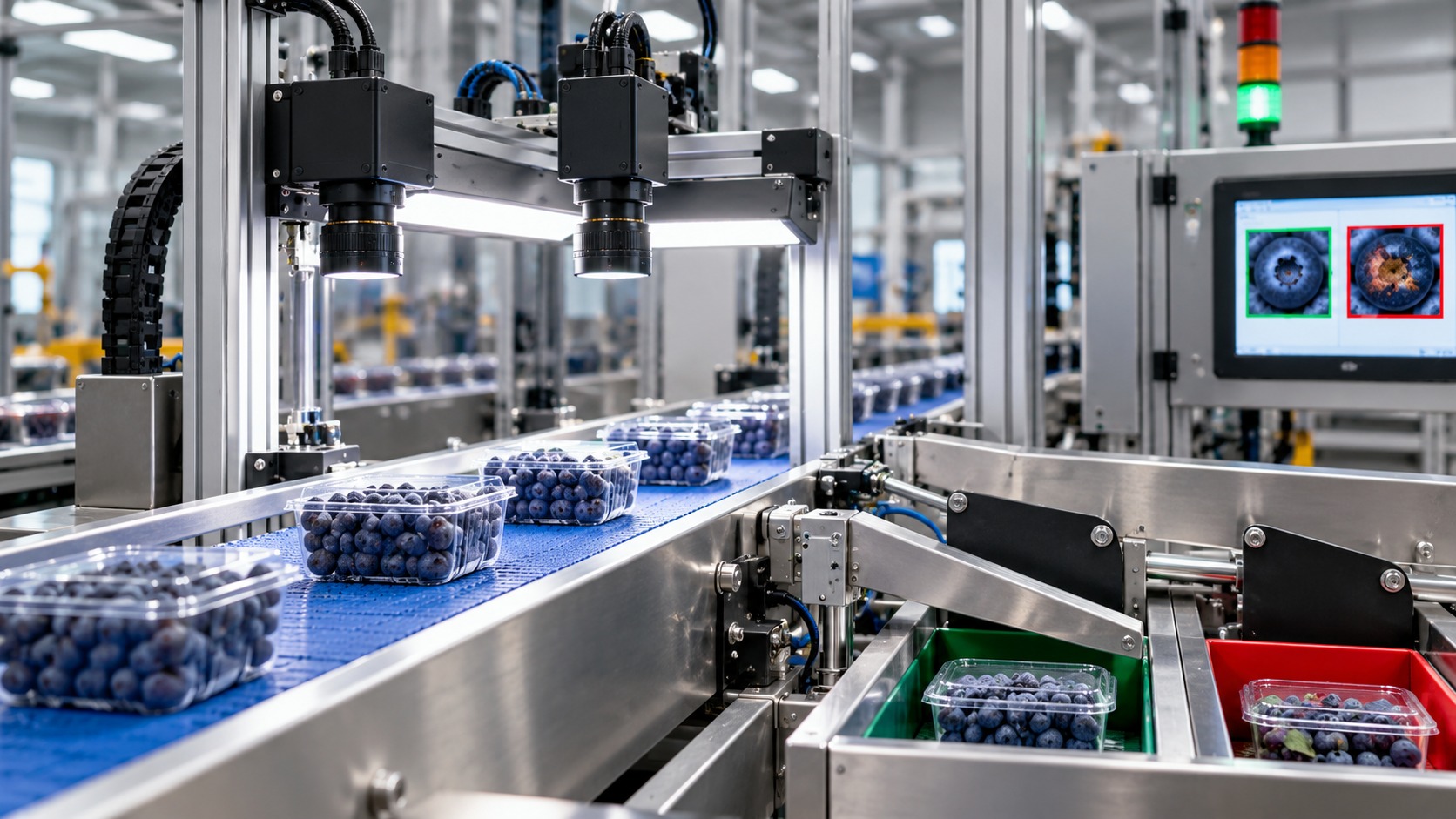
When quality varies between operators, repetitive work increases and reject data is not being used.
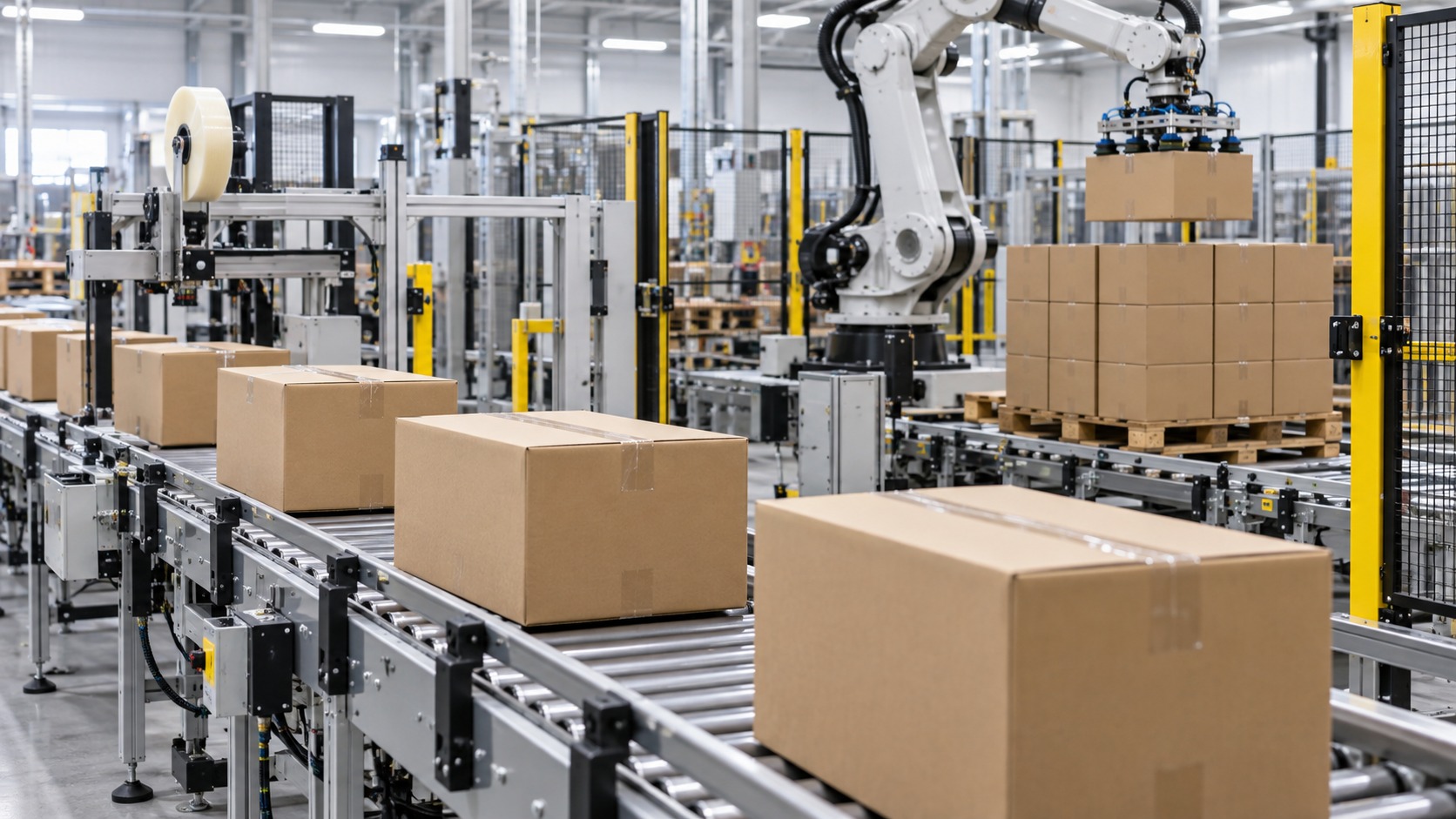
When flows become more complex, shipping errors are costly and the warehouse does not justify an oversized system.
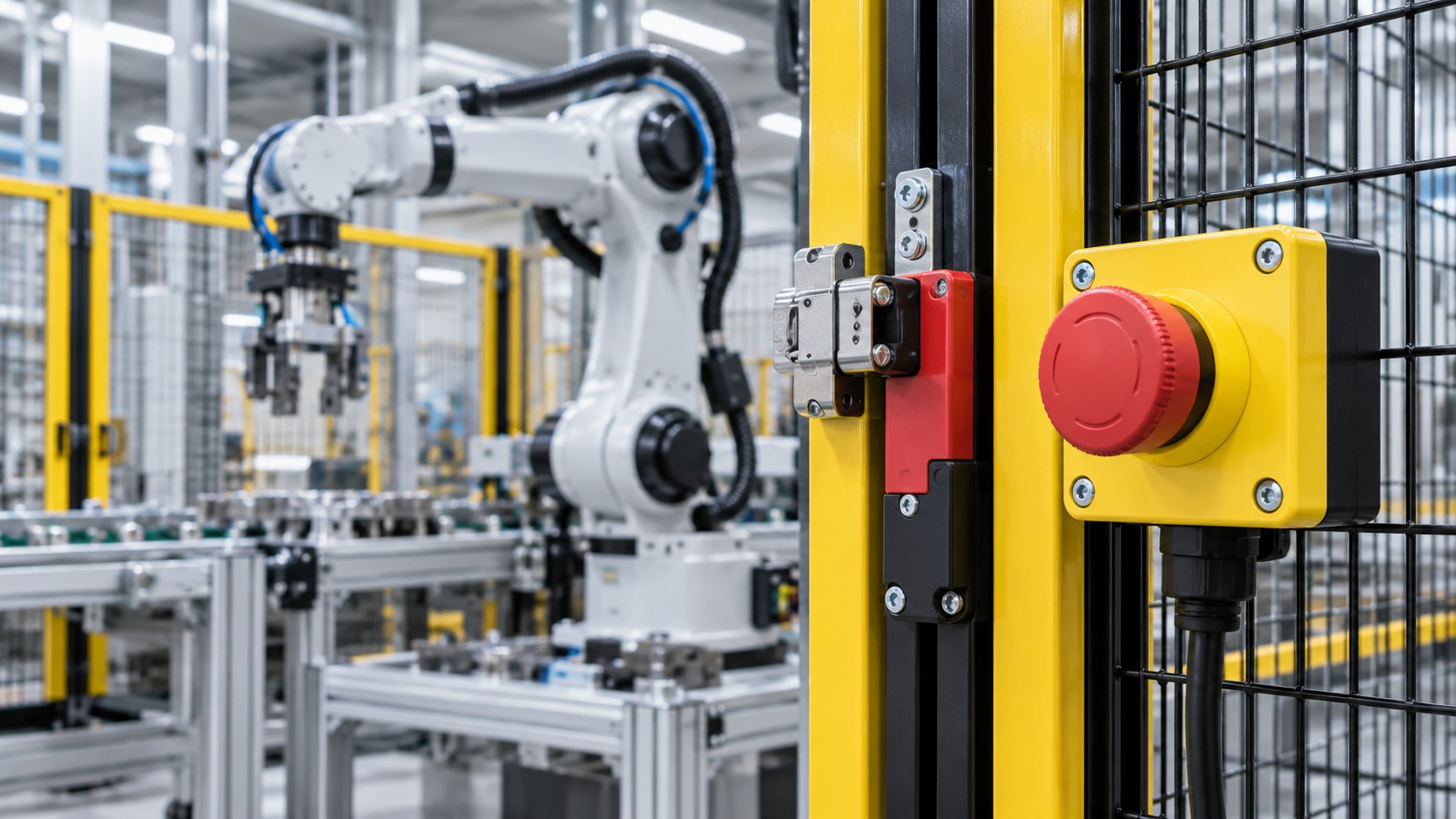
When the equipment remains productive but safety functions, access control or electrical obsolescence are becoming a risk or a bottleneck.
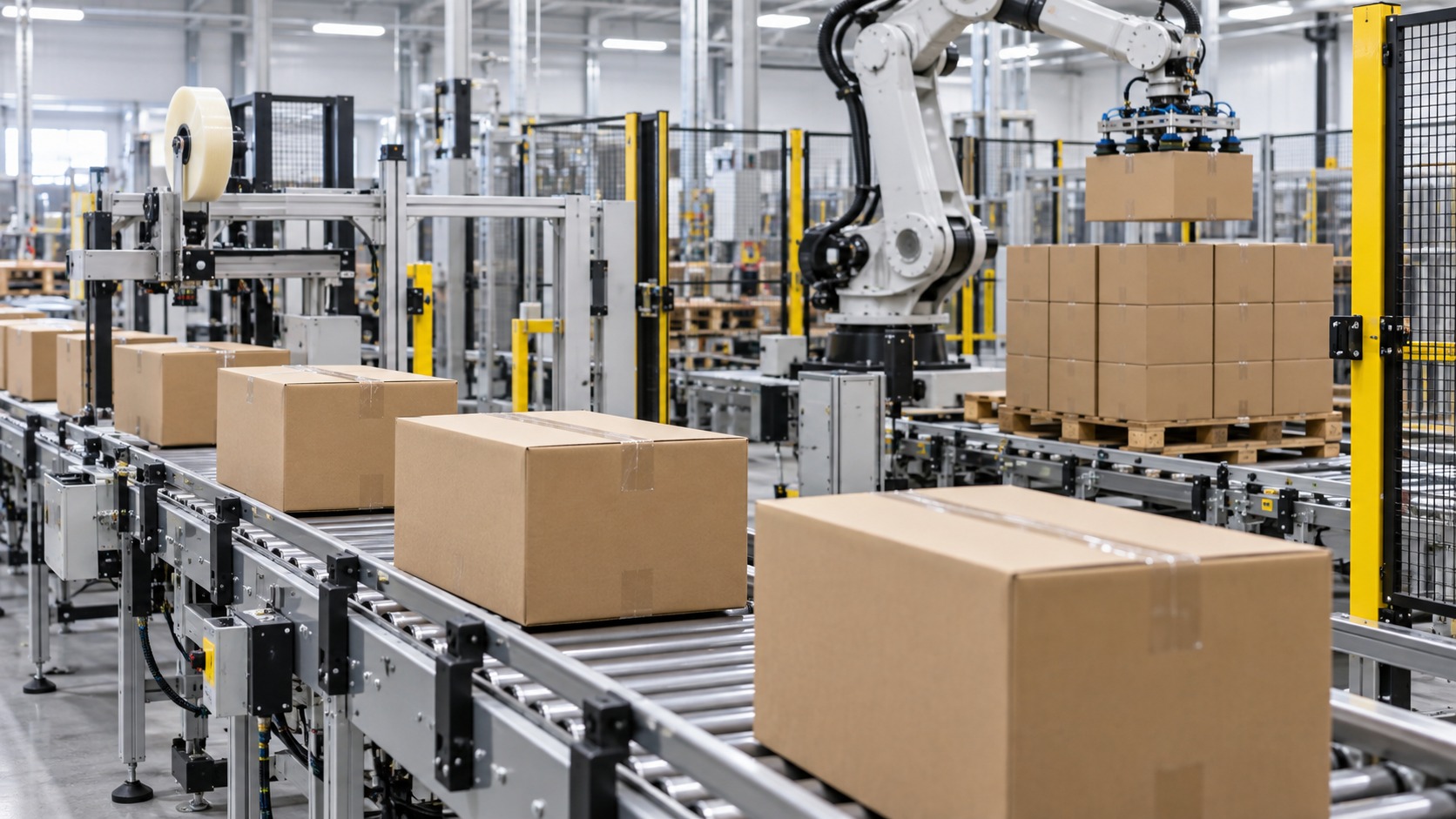
When throughput plateaus, handling strains operators and the first need is better regularity and easier operations.

Execution model
The real cost of an industrial project goes far beyond the initial purchase. Downtime, interfaces, maintenance level, component availability, support, compliance and future expansion all matter.
Faster studies, clearer scope and better scalability.
Broader choice, better technical fit and more balanced cost decisions.
Faster decisions, less project friction and better follow-up quality.
Economic pre-scoping, phasing, ROI and support for credit / investment discussions when relevant.
What we do
Automation, vision, packaging, safety, controls and technical sourcing are organised as one coherent system serving a precise industrial need.
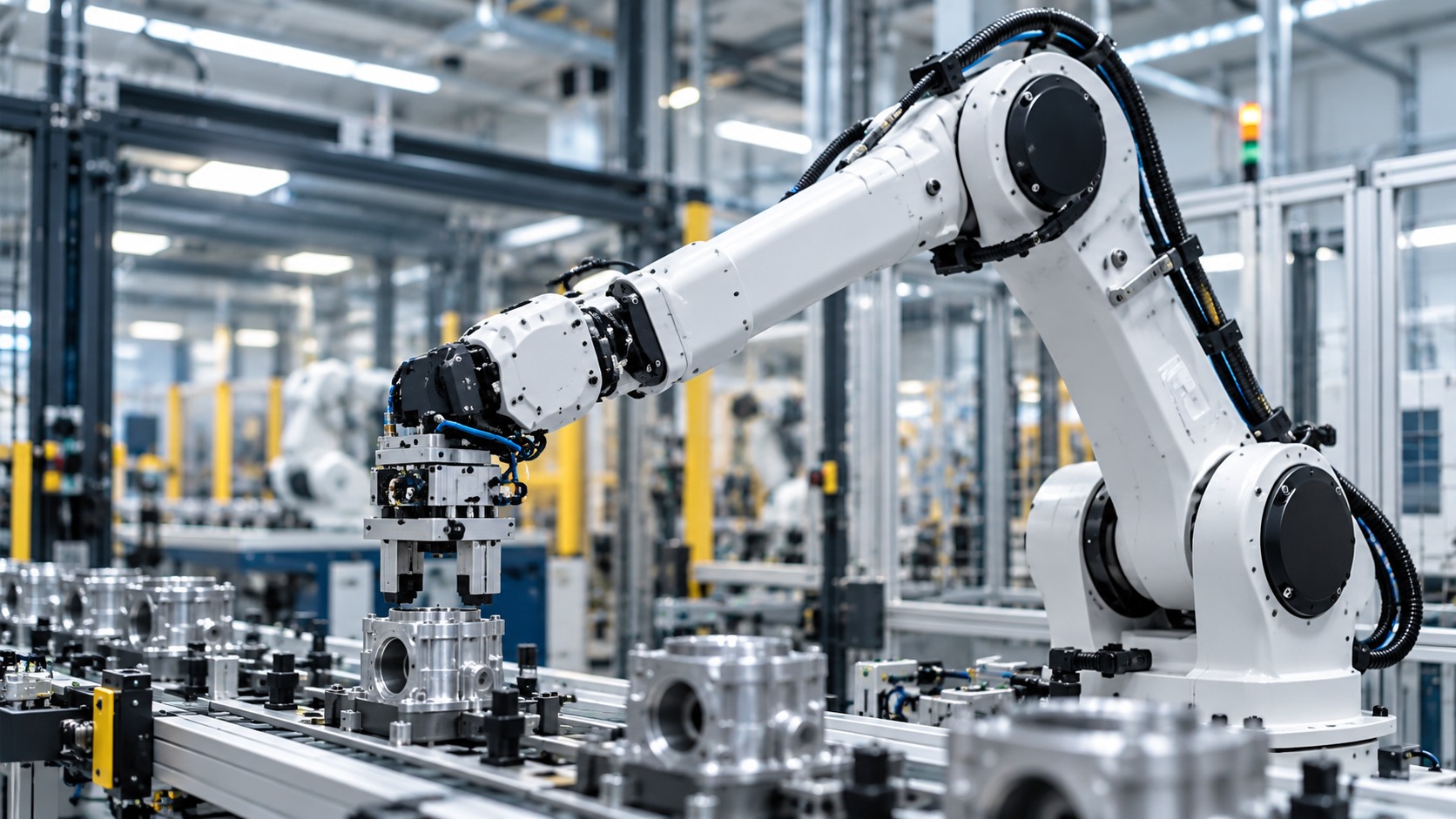
Modernise, automate and extend the useful life of existing equipment.
Explore →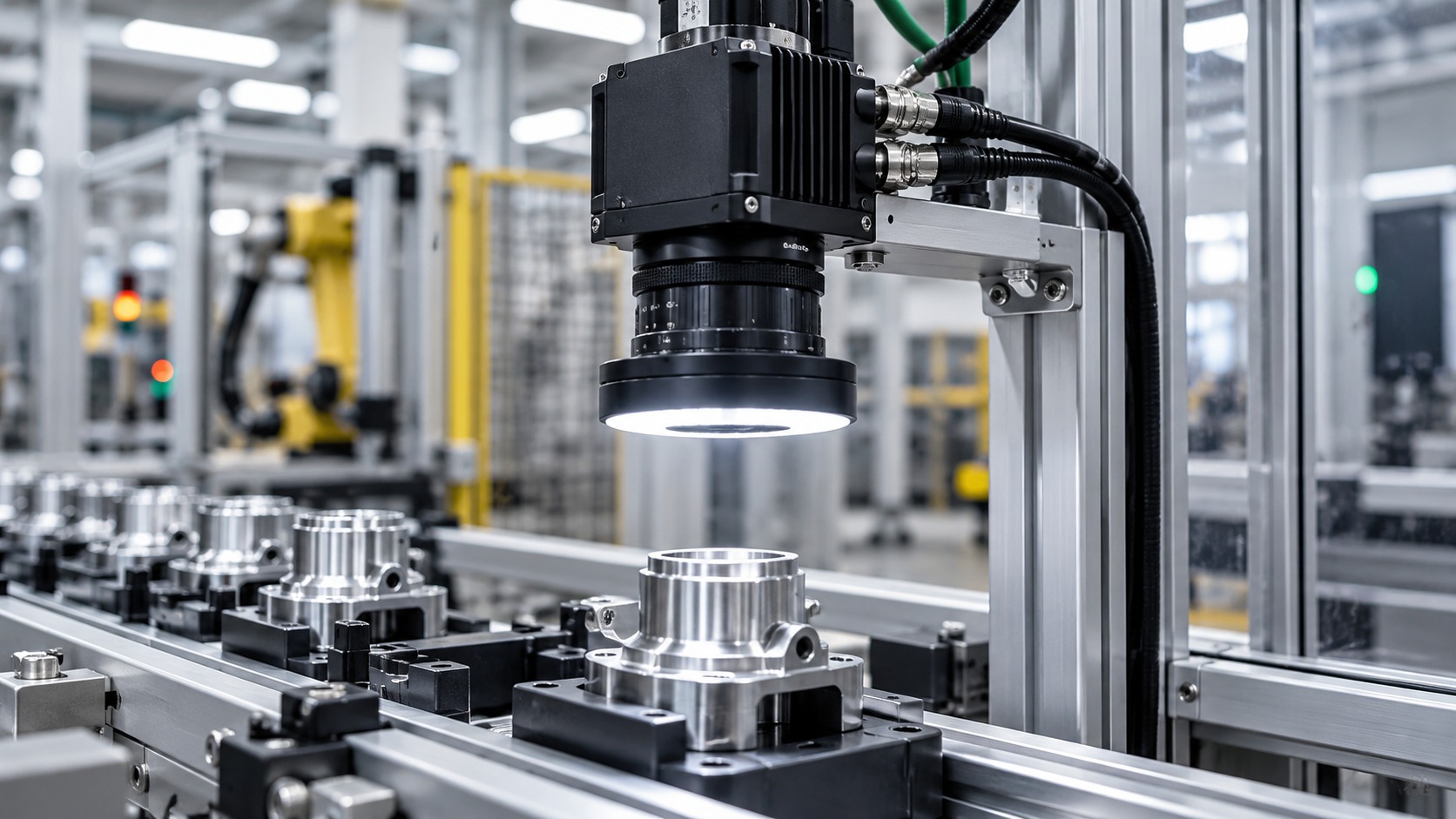
Detect, verify, sort and trace directly inside the production cycle.
Explore →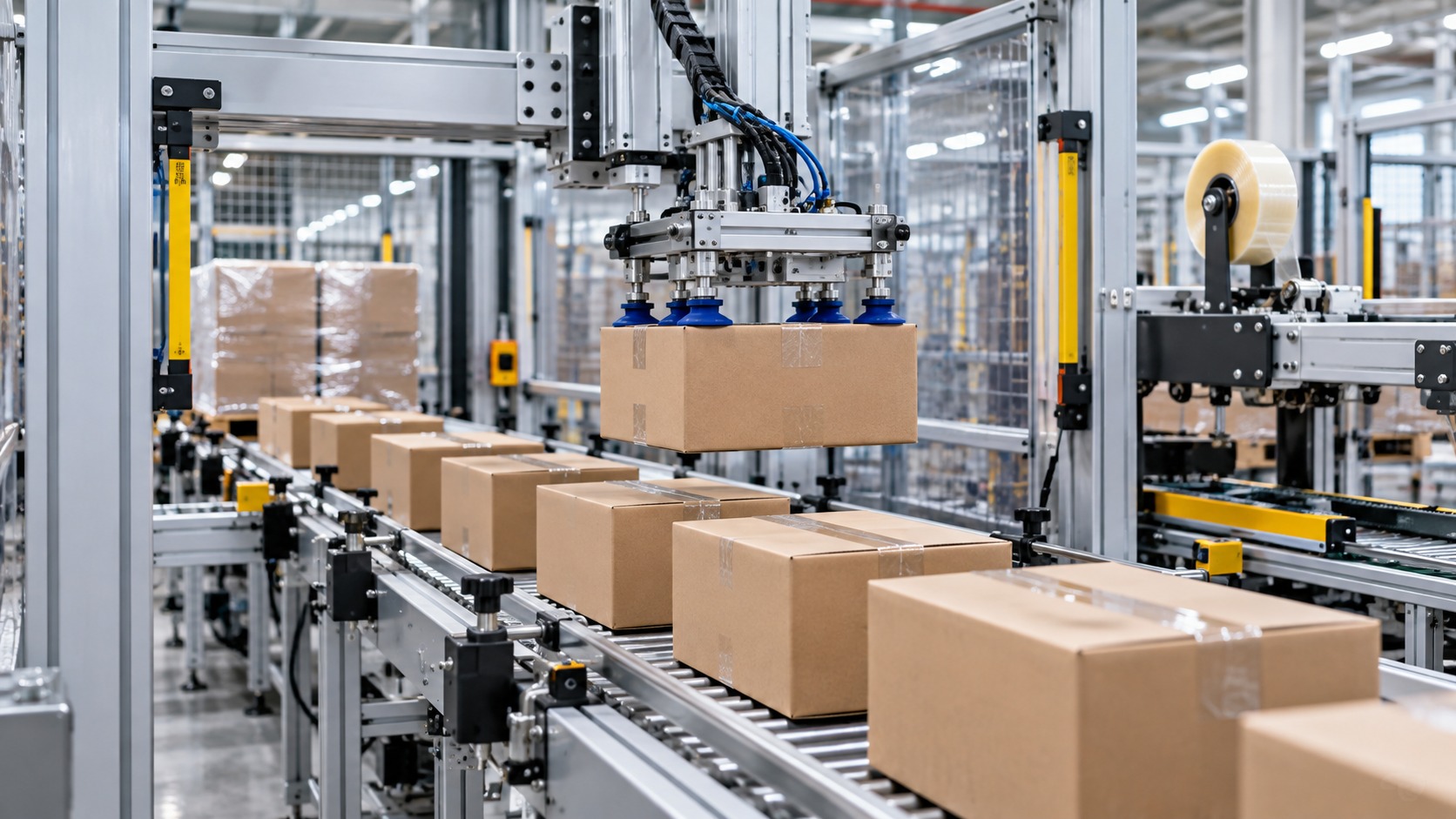
Improve flow, reduce manual handling and stabilise output.
Explore →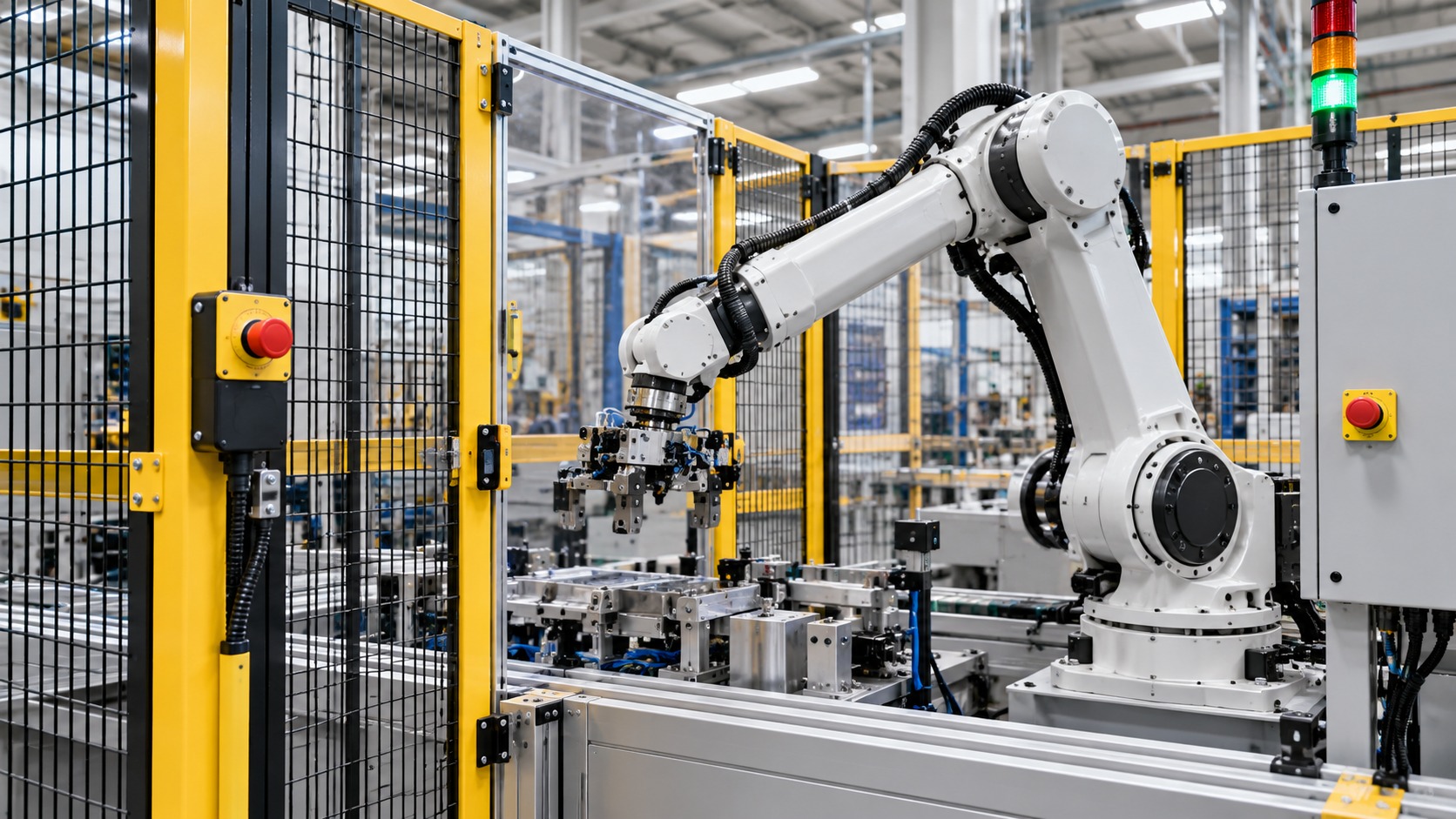
Integrate safety into design and retrofit decisions from the start.
Explore →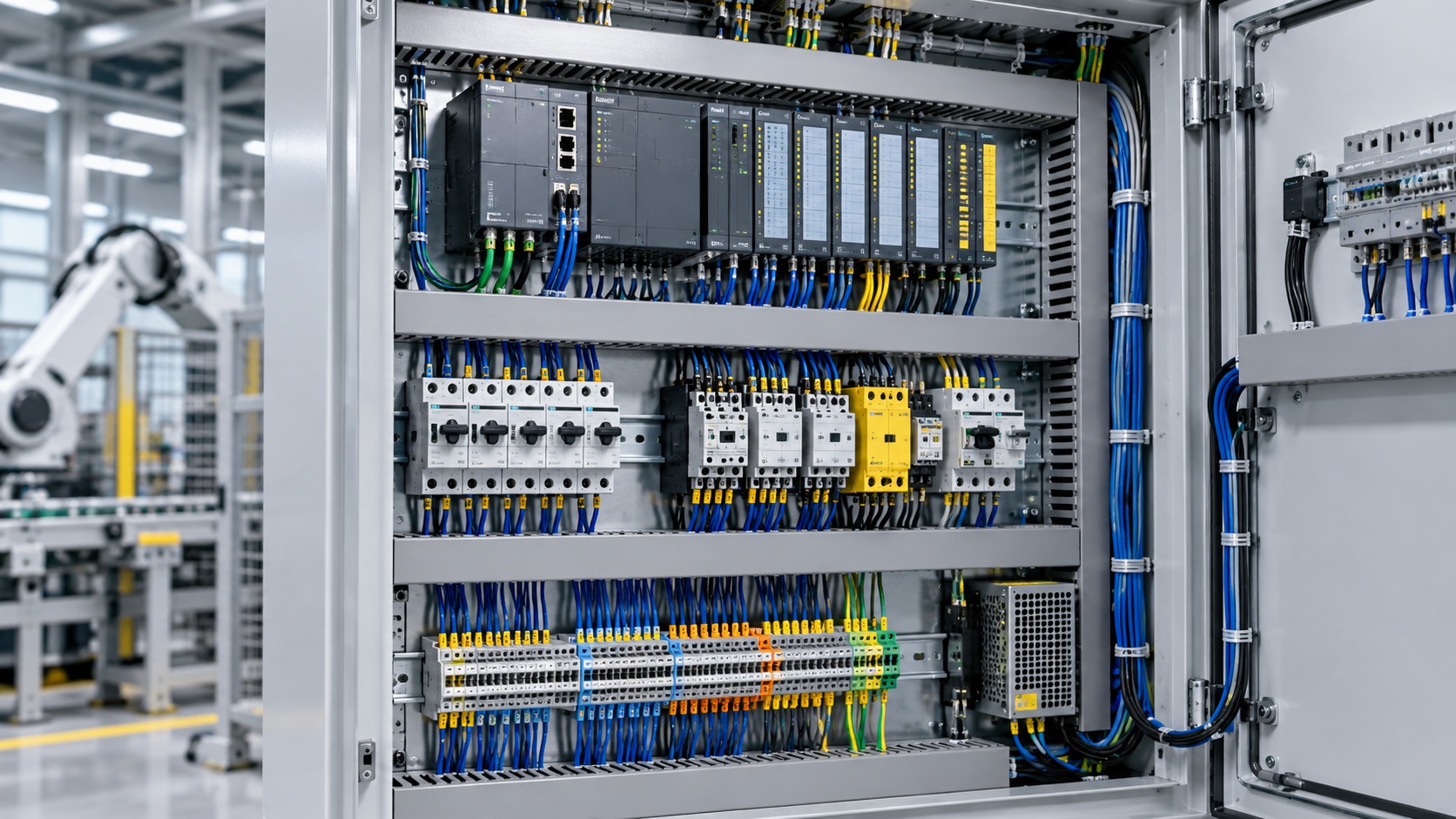
Connect sensors, actuators, PLCs and data in a maintainable architecture.
Explore →
Qualify technical building blocks based on need, compliance and total cost.
Explore →Describe the process, the constraint and the target outcome. We will structure the first technical and economic questions.